

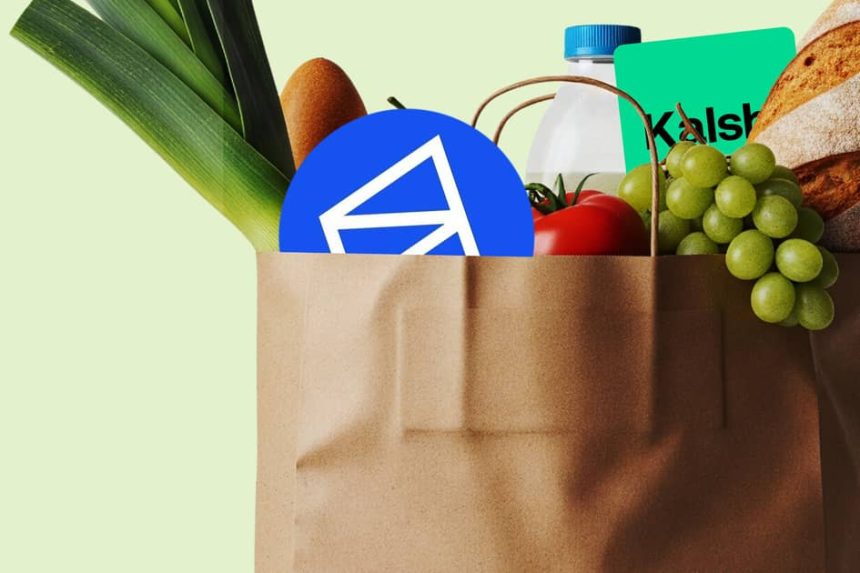
There’s no question that the cost of living is on the rise, and many consumers have felt it most acutely at the grocery store.
As people have struggled to keep up with the costs of food, which according to the consumer price index is predicted to increase 3% this year, some marketers sensed an opportunity—for better or worse.
Last month, predictions platform Kalshi held an event at a Westside Market grocery store in Manhattan where shoppers were offered $50 in free groceries over the course of three hours. The same day, rival platform Polymarket announced it would host a pop-up grocery store further downtown, in which the first 300 visitors over a three-day period could get as much food, ranging from Aldi milk to Kirkland olive oil, as they could fit in a provided tote bag.
While some people praised the moves—including NYC Mayor Zohran Mamdani, who in response to Polymarket’s announcement posted the satirical outlet ClickHole’s much-memed headline, “Heartbreaking: The worst person you know just made a great point”—others found the stunts to be superficial, and warned against viewing food insecurity as a marketing opportunity.
“It’s a topic of discussion around kitchen tables, in the headlines, in your group chats, and when something reaches that level of cultural attention, I think a lot of marketers see that as an opportunity to insert their product or brand,” Lauren Hoffman, VP of food and nutrition communications company FoodMinds, told us. “Food and nutrition is something that sustains us. It can’t be treated the same way.”
“Putting a Band-Aid on a problem that is much larger”
If the goal was driving foot traffic, both Kalshi and Polymarket seem to have reached it, drawing blocks-long lines of people to their events. But while some attendees were reportedly fans of the platforms, the events undoubtedly drew people struggling to afford groceries and could stand to lose the most from placing bets on prediction marketplaces, including students and people on food stamps, according to Fortune. Some visitors waited as long as 11 hours to get free food, Curbed reported. (Polymarket and Kalshi did not respond to Marketing Brew’s requests for comment.)
Advertising to vulnerable demographics “raises a lot of questions about what the intent of the brand is,” Kevin McTigue, clinical professor of marketing at Northwestern University’s Kellogg School of Management, told us.
Aidan Schechter, spokesperson for Polymarket, told Curbed that the market was a “philanthropic-first initiative.” But inside the store, notices informed visitors that they were being filmed and recorded as they browsed, and Polymarket posted content to social media that showed people waiting in line. McTigue said those posts felt like a “sticky area,” particularly considering that some people may not want their need for food assistance publicized.
Throughout the market, Polymarket’s branding was on everything from the signage to the paper used to wrap flowers, according to Business Insider. As Hoffman noted, the pop-up was also hosted in the affluent West Village neighborhood, which she said was another indicator that the market was more about generating buzz than actual philanthropy.
Get marketing news you’ll actually want to read
Marketing Brew informs marketing pros of the latest on brand strategy, social media, and ad tech via our weekday newsletter, virtual events, marketing conferences, and digital guides.
“The event was designed to elicit eyeballs,” Hoffman said. “It was intended to be something that made people feel good, made people want to take pictures, made people want to talk about it, and it happened to be nice that it also provided support for people who needed the free groceries.”
Do it right or not at all
Kalshi and Polymarket aren’t the first brands to do a grocery-related stunt amid rising costs. Last March, makeup and skincare brand The Ordinary sold cartons of eggs for $3.37 at a time when a dozen eggs was averaging $8.15. The move drew some backlash, including from customers that valued the brand’s vegan status, but Michelle Baumann, chief strategy officer at VML, told us it was a more effective marketing move than Kalshi or Polymarket because it connected back to the brand’s ethos.
“The Ordinary is known for their brand being no-nonsense, affordable products,” she said. “So while it does seem like a funny juxtaposition, skincare products and eggs, it’s the same promise: Our skincare products should be very affordable every day; everyone expects eggs to be affordable every day.”
On the flip side, she said, prediction markets are “in no way actually creating a way to alleviate [food insecurity] in the long term” and are “offering a space for people to bet, which, in theory, could actually make them less able to afford their groceries.”
That disconnect raises more questions about why Polymarket and Kalshi held the events in the first place, McTigue added. Both platforms have faced increasing scrutiny from federal and state legislators in recent months, with some lawmakers arguing that the platforms should be regulated as gambling platforms rather than financial exchanges.
“When you see an ad that feels completely weird, sometimes you take a step back and you’re like, ‘Is this not targeting consumers? Is this influencing stakeholders, politicians, or public opinion?” he said. “Maybe they’re just trying to paint themselves as, ‘Hey, we’re good guys.’”
Hoffman said she doesn’t want to discourage brands from helping people get affordable or free groceries, but both she and Baumann emphasized that if brand marketers want to make an impact and build brand trust, they should invest in long-term efforts.
While Polymarket said on X that it donated $1 million to the nonprofit Food Bank for NYC, Hoffman said the brand could have hosted its event with that organization in a neighborhood where food insecurity was more prevalent and made it so people didn’t have to wait so long to get necessities.
“If I was working there, I would have probably said, ‘Let’s not do this,’” Hoffman said. “But if we were going to do it, I would have tried to do it in a more thoughtful, connective way that actually shows that we’re being thoughtful about it, and we’re actually having an impact in the community.”
Read the full article here